
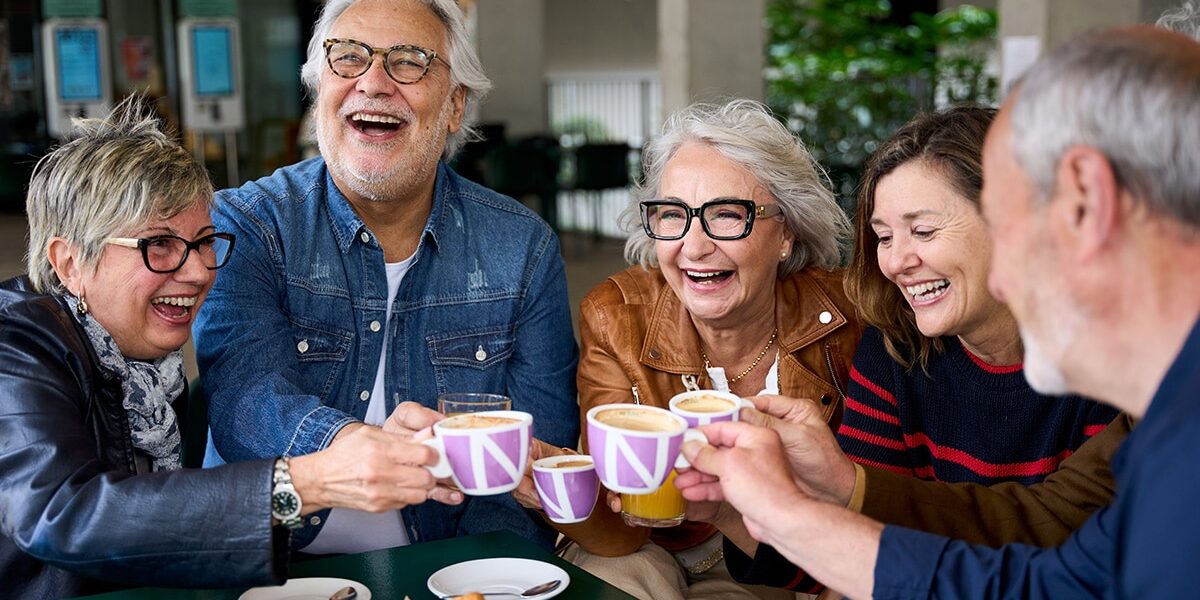
Are you or a loved one part of the 40% of Americans who feel lonely? The statistics might surprise you.
AARP reports that while the highest affected groups fall between ages 45 and 60, those over 60 report lower levels of loneliness. Why would younger people feel more isolated than older adults?
The answer often lies in what happens after retirement.
When you stop working and let go of home responsibilities that once consumed your time, space opens up for something many people thought they’d lost: genuine friendships, regular social interaction, and activities that bring actual joy.
Retirement doesn’t automatically lead to isolation. For many older adults, it’s when social life after retirement actually begins to flourish.
Why Some Older Adults Experience Loneliness
Loneliness doesn’t happen because of age. It happens because of circumstances that sometimes accompany getting older.
Common barriers to senior social life include:
- Loss of Built-In Social Structures: Work provided daily interaction, whether you particularly enjoyed your coworkers or not. Retirement removes that automatic social framework.
- Mobility Limitations: Driving at night becomes uncomfortable. Walking long distances gets harder. Physical challenges make leaving home more difficult.
- Friends Moving or Passing Away: Your social circle may shrink due to relocation, illness, or death. Building new friendships at 70 feels harder than it did at 30.
- Caring for a Spouse: When a partner develops health issues, the caregiving spouse often becomes isolated, unable to leave home for social activities or support.
- Home Maintenance Demands: The house requires constant attention. Yard work, repairs, and cleaning. Energy goes toward keeping up the property rather than building relationships.
- Geographic Distance From Family: Adult children live across the country. Grandchildren grow up states away. Holiday visits happen twice a year instead of weekly dinners.
- Fixed Income Concerns: Many social activities cost money — golf memberships, dining out, travel. Financial limitations can reduce participation in activities that once fostered friendships.
These barriers are real, but they’re not permanent conditions of aging. They’re obstacles that can be removed or worked around with the right approach.
Practical Ways To Build Friendships at Any Age
Staying social in retirement doesn’t require moving anywhere or changing your entire life. You can start building relationships right where you are.
Join groups based on genuine interests. Book clubs, gardening groups, or volunteer organizations connect you with people who share your passions. Shared interests create natural conversation.
- Take Classes: Community centers, libraries, and colleges offer courses specifically for older adults. Learning alongside others creates camaraderie.
- Volunteer Regularly: Consistency matters more than the specific cause. Showing up every Tuesday at the food bank means seeing the same people weekly. Familiarity breeds friendship.
- Attend Religious or Spiritual Services: Faith communities often offer built-in social structures through regular gatherings and small-group opportunities.
- Use Technology Strategically: Video calls with distant family, online communities for specific hobbies, or apps designed to help older adults connect locally can all help them stay socially engaged.
- Say Yes to Invitations: Even when you’d rather stay home, accepting invitations leads to more invitations. Social momentum builds on itself.
- Initiate, Don’t Just Wait: Invite a neighbor for coffee. Suggest lunch with an acquaintance. Most people appreciate someone else making the first move.
- Exercise in Groups: Whether it’s walking clubs, water aerobics, or tai chi classes, physical activity provides health benefits while creating regular social interaction.
Non-Traditional Social Activities Worth Trying
Generic suggestions like “join a book club” only go so far. Consider activities you might not have thought about:
- Become a docent or tour guide
- Join a community theater
- Take up a new low-impact sport like pickleball
- Join a makerspace or woodworking shop with a local business or school
- Attend lectures and talks
- Participate in intergenerational programs
- Start a dinner club
- Participate in citizen science projects like counting birds for Audubon, monitoring water quality for environmental groups, or helping with archaeological digs
How Community Living Removes Barriers to Connection
You can absolutely build a senior social life without moving. But understanding what intentionally designed communities offer helps explain why some older adults thrive socially after choosing to live in them.
The difference isn’t just having neighbors nearby. Passive social opportunities and intentional community design are completely different things.
Passive opportunities mean you could potentially meet people if you make a significant effort. Your neighborhood has other residents, but you have to knock on doors, organize events, and constantly initiate.
Intentional design means the environment itself fosters relationships without requiring constant work from you.
The Senior Living Community Lifestyle Advantage
Communities built around an active senior lifestyle remove the barriers that often prevent the formation of friendships:
- Shared meals create daily interaction
- Professional programming eliminates planning burden
- Common spaces encourage casual encounters
- Transportation removes mobility barriers
- No home maintenance frees time and energy
A similar life stage creates understanding. Everyone navigated similar transitions. Shared experiences of retirement, changing family dynamics, and this stage of life create natural common ground.
What 55+ Active Adult Villas and Independent Living Offer
The retirement community lifestyle in places offering 55+ active adult villas and independent living is redefining what retirement looks like locally.
Residents aren’t sitting around waiting for activities to be brought to them. They’re organizing theater trips, starting investment clubs, forming bands, teaching each other skills, and creating genuine friendships rather than forced ones.
The structure supports social activities for seniors without dictating how anyone spends their time. You participate as much or as little as feels right. But the opportunities exist without you having to create them yourself.
For couples, this approach preserves relationships, too. When one partner develops health issues, communities offering multiple options help the caregiving spouse maintain social engagement even while supporting their partner.
Redefining Retirement in Centerville, OH
The Courtyard at Centerville offers 55+ active adult villas, independent living, assisted living, and memory care in Centerville, Ohio. Our residents are showing what an active senior lifestyle actually looks like when barriers to social engagement are removed.
Our 55+ active adult villas provide low-maintenance living for those who want homeownership without the burdens. Independent living offers full-service convenience with chef-prepared meals, housekeeping, and programming.
What makes the difference is intentional design that fosters genuine relationships. Shared dining, multiple common spaces, professional activity planning, and regular outings create natural opportunities for friendship without requiring constant effort from residents.
One family member described their parents’ experience this way in a Google review:
“My parents recently moved into independent living. They haven’t met anyone who wasn’t amazing. They have made friends and enjoy the activities. Everyone is kind and friendly. While giving up their home was hard, coming to this amazing ‘home’ has made the transition easier.”
That transition from house to home, from isolation to community, from managing property to enjoying life, represents what becomes possible when social barriers are removed.
Frequently Asked Questions
Absolutely. Shared experiences, regular proximity, and genuine common interests create friendship regardless of age. Many older adults report that their closest friendships formed after retirement.
The senior community life model works for introverts, too. You control your level of participation. Having opportunities available differs from being forced to participate. Many residents appreciate knowing social interaction is nearby when desired, without pressure to attend everything.
Research consistently shows that social engagement benefits both mental and physical health. Lower rates of depression, better cognitive function, and even improved immune response connect to regular social interaction.
This varies by person, but most residents report forming acquaintances within weeks and deeper friendships within a few months. Regular shared meals and activities accelerate the process significantly.
Quality communities include plenty of single residents and design programming that doesn’t assume everyone is partnered. Many widowed residents find comfort in friendships with others who’ve experienced similar loss.
Social Life After Retirement Can Be the Best Part
Retirement doesn’t mean withdrawing from the world. For many older adults, genuine social fulfillment finally becomes possible when the barriers that once prevented it no longer exist. Whether you stay in your current home or explore community living options, staying social in retirement matters enormously for health, happiness, and quality of life.
Discover What Community Can Mean
The Courtyard at Centerville welcomes you to visit and experience our senior living community lifestyle. Tour our 55+ active adult villas and independent living apartments, meet residents, join us for a meal, and see what an intentionally designed community looks like.
Contact us to arrange an appointment with our team.